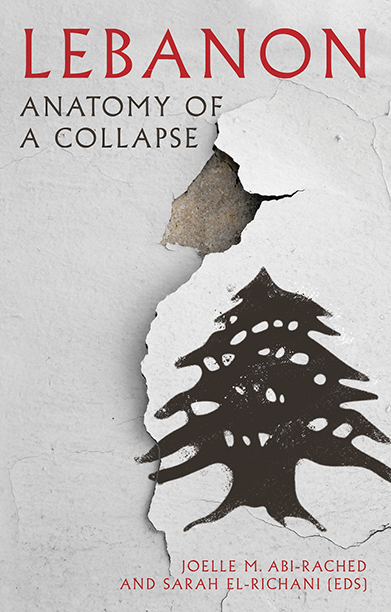
Lebanon
Anatomy of a Collapse
From leading experts on Lebanese politics and society, a comprehensive account of the country’s descent into chaos since 2019.
Description
Lebanon is in freefall. Poverty is rising exponentially, healthcare is at breaking point, corruption is rampant, and educated professionals are leaving the country in droves. How did this happen?
Lebanon: Anatomy of a Collapse explores the unravelling of the Lebanese state. Bringing together industry experts and academics, this timely collection analyses the complex and interconnected crises that have driven Lebanon into the abyss, whether political or social, financial or legal. With a clear and compelling narrative, the contributors highlight the economic mismanagement, infrastructure devastation, and government, educational and media breakdowns that have left the country in ruins. From the financial collapse of 2019 to the 2020 Beirut port explosion, and from the latest Israel–Lebanon war to the disastrous repercussions of the Syrian refugee crisis, this volume reveals the compounding effects of systemic failures, historical fractures and political ineptitude. It also examines the struggles of Lebanese society to maintain a semblance of institutional life and functionality, despite widespread disruption and chronic uncertainty.
This is an urgent and nuanced perspective on Lebanon’s tumultuous recent years, offering crucial insights for readers seeking to understand and learn from the calamitous implications of state failure. Can Lebanon recover from the traumas of its past?
Table of contents
Introduction. “Why and How Nations Collapse” by Joelle M. Abi-Rached and Sarah El-Richani
Chapter 1. “Kicking-the-Can Economics: How a Regime that Failed on the Economy Survived Politically” by Ishac Diwan
Chapter 2. “Poverty Alleviation after the Meltdown: Can Microfinance Still Deliver?” by Youssef Fawaz
Chapter 3. “’Rentier Universe:’ The Geopolitics of Lebanon’s Collapse” by Mohanad Hage Ali
Chapter 4. “Syria in Lebanon: From Military Occupation and Political Hegemony to the Challenges of a Turbulent Neighborhood” by Ziad Majed
Chapter 5. “The Semiotics of Collapse: Reclaiming Urban Space for the Public Good in Beirut” by Sandra Rishani and Roula El-Khoury
Chapter 6. “The Human Cost of Misgovernance: Lebanon’s Healthcare Collapse and Dramatic Loss of Lives” by Joelle M. Abi-Rached
Chapter 7. “Reimagining Education in Post-Crisis Lebanon: School Principals in the Driver’s Seat” by Nadim Matta and Haneen Sayed
Chapter 8. “Bad News from Lebanon: The Unraveling of the Media Landscape” by Sarah El-Richani
Chapter 9. “Rising from the Ashes: Art, State, and Corporate Capital in Lebanon (bis repetita)” by Marie-Nour Hechaime
Chapter 10. “Justice Without Judiciary? The Brutal Demise of a Prestigious Professional Body” by Samer Ghamroun
Chapter 11. “Political Anatomy of Civil Society Activism under Collapse: Between Embodiment and Abandonment” by Carmen Geha
Chapter 12. “Politics of Suffocation: Man-Made Environmental Deterioration in Lebanon” by Najat Saliba, Rashad Rafeh, and Carmen Geha
Epilogue by Joelle M. Abi-Rached and Sarah El-Richani
Reviews
‘A terrifying but essential dissection of how Lebanon manages to exude normality while in total freefall. This groundbreaking, incisive book is a sober warning to others about debt, unaccountable elites, war and impunity, a multiplicity of crises that can quickly turn existential.’ — Kim Ghattas, journalist and author Black Wave and The Best Kind of American
‘An ambitious, analytically sharp and morally urgent volume that seeks to document, dissect and theorise Lebanon’s multifaceted collapse since 2019. An empirically grounded and conceptually rich account.’ — Melani Cammett, Clarence Dillon Professor of International Affairs, Harvard University, and co-editor of The Oxford Handbook of Politics in Muslim Societies
‘A wide-ranging, multidisciplinary analysis of Lebanon’s economic, political and social collapse. Grounding analysis in lived experience, this book will become an important reference volume.’ — Adeel Malik, Associate Professor of Development Economics, University of Oxford, and co-editor of Crony Capitalism in the Middle East
Editor(s)
Joelle M. Abi-Rached is Associate Professor of Medicine and Founding Director of the Program on Medical History, Ethics & Politics at the American University of Beirut. She is the author of ʿAṣfūriyyeh: A History of Madness, Modernity, and War in the Middle East, and the co-author of Neuro: The New Brain Sciences and the Management of the Mind.
Sarah El-Richani is Visiting Fellow at the Institute for Media and Communication Studies at Freie Universität Berlin. She is the author of The Lebanese Media: Anatomy of a System in Perpetual Crisis.
FAQs
Frequently Asked Questions
What is "Lebanon" about?
Lebanon is in freefall. Poverty is rising exponentially, healthcare is at breaking point, corruption is rampant, and educated professionals are leaving the country in droves. How did this happen?
Lebanon: Anatomy of a Collapse explores the unravelling of the Lebanese state. Bringing together industry experts and academics, this timely collection analyses the complex and interconnected crises that have driven Lebanon into the abyss, whether political or social, financial or legal. With a clear and compelling narrative, the contributors highlight the economic mismanagement, infrastructure devastation, and government, educational and media breakdowns that have left the country in ruins. From the financial collapse of 2019 to the 2020 Beirut port explosion, and from the latest Israel–Lebanon war to the disastrous repercussions of the Syrian refugee crisis, this volume reveals the compounding effects of systemic failures, historical fractures and political ineptitude. It also examines the struggles of Lebanese society to maintain a semblance of institutional life and functionality, despite widespread disruption and chronic uncertainty.
This is an urgent and nuanced perspective on Lebanon’s tumultuous recent years, offering crucial insights for readers seeking to understand and learn from the calamitous implications of state failure. Can Lebanon recover from the traumas of its past?
Who wrote "Lebanon"?
"Lebanon" was written by Joelle M. Abi-Rached and Sarah El-Richani .
Joelle M. Abi-Rached is Associate Professor of Medicine and Founding Director of the Program on Medical History, Ethics & Politics at the American University of Beirut. She is the author of ʿAṣfūriyyeh: A History of Madness, Modernity, and War in the Middle East, and the co-author of Neuro: The New Brain Sciences and the Management of the Mind.
Sarah El-Richani is Visiting Fellow at the Institute for Media and Communication Studies at Freie Universität Berlin. She is the author of The Lebanese Media: Anatomy of a System in Perpetual Crisis.
What is the Table of Contents for "Lebanon"?
Introduction. “Why and How Nations Collapse” by Joelle M. Abi-Rached and Sarah El-Richani
Chapter 1. “Kicking-the-Can Economics: How a Regime that Failed on the Economy Survived Politically” by Ishac Diwan
Chapter 2. “Poverty Alleviation after the Meltdown: Can Microfinance Still Deliver?” by Youssef Fawaz
Chapter 3. “’Rentier Universe:’ The Geopolitics of Lebanon’s Collapse” by Mohanad Hage Ali
Chapter 4. “Syria in Lebanon: From Military Occupation and Political Hegemony to the Challenges of a Turbulent Neighborhood” by Ziad Majed
Chapter 5. “The Semiotics of Collapse: Reclaiming Urban Space for the Public Good in Beirut” by Sandra Rishani and Roula El-Khoury
Chapter 6. “The Human Cost of Misgovernance: Lebanon’s Healthcare Collapse and Dramatic Loss of Lives” by Joelle M. Abi-Rached
Chapter 7. “Reimagining Education in Post-Crisis Lebanon: School Principals in the Driver’s Seat” by Nadim Matta and Haneen Sayed
Chapter 8. “Bad News from Lebanon: The Unraveling of the Media Landscape” by Sarah El-Richani
Chapter 9. “Rising from the Ashes: Art, State, and Corporate Capital in Lebanon (bis repetita)” by Marie-Nour Hechaime
Chapter 10. “Justice Without Judiciary? The Brutal Demise of a Prestigious Professional Body” by Samer Ghamroun
Chapter 11. “Political Anatomy of Civil Society Activism under Collapse: Between Embodiment and Abandonment” by Carmen Geha
Chapter 12. “Politics of Suffocation: Man-Made Environmental Deterioration in Lebanon” by Najat Saliba, Rashad Rafeh, and Carmen Geha
Epilogue by Joelle M. Abi-Rached and Sarah El-Richani
Related books