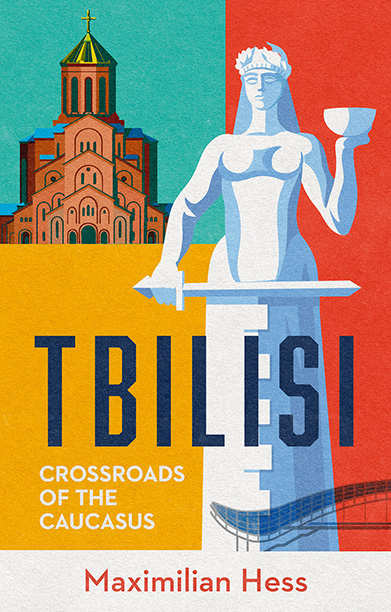
Tbilisi
Crossroads of the Caucasus
A kaleidoscopic portrait of Georgia’s capital city since 1989.
Description
Located on Europe’s periphery, at the edge of Asia, Tbilisi has always been a crossroads of culture, peoples and politics. From architecture to art, protest to religion, nationalism to language, this book offers a pen portrait of the modern Georgian capital—a city where old and new live side by side in restless harmony.
Tbilisi has played an outsize role in modern global politics. Beginning in 1989, Maximilian Hess shows how the city’s experiences over the last four decades shed light on the historical, political and cultural forces shaping the world today. Momentous events in Tbilisi helped drive the collapse of the Soviet Union, and this was where the neoliberal era of the early 2000s found its firmest foothold. The city’s post-Soviet years also foreshadowed the devastation that Russian interference and aggression have now brought to Ukraine, while the rise and subsequent dominance of a Georgian billionaire-turned-politician have clear echoes across the Atlantic.
Delving into Tbilisi’s remarkably great influence on contemporary music and the arts, Hess showcases the intriguing capital’s entrepôt nature, and its turbulent recent history. This is a place which blurs the lines between the real and the imagined; between past and present, East and West.
Table of contents
Map
Recurring Characters
Foreword
Introduction
1. From Freedom Square, by Way of Kamikaze Loggias
2. Mtatsminda Pantheon: Heroes and Martyrs
3. From the Tbilisi War to the Splintering State
4. Metekhi Palace Hotel: Jockeying for Power
5. Andropov’s Ears: Culture and Counterculture
6. Bridges from the Brink of Ruin to the Brink of Revolution
7. The Liberty Institute: From Frustration to Defiance
8. Mother of Georgia: Building the New Nation
9. Shardeni Street and Saburtalo Street: The Dark Underside of the Rose Revolution
10. Vake Park: The New Nationalism
11. Where is the Modern Art Museum? The Spectacle of Power and Protest
12. Chronicles Of Georgia Monument: The Unfinished State
13. Gabriadze Puppet Theatre: Either Prison or Exile
14. Tbilisi Zoo: Ivanishvili’s Shadow
15. Café Gallery and Bassiani: Between Aspirations and Realities
16. Back to Rustaveli: The Fight for Freedom, Finances and the Future
Afterword
Notes
Index
Reviews
‘A masterful portrait of a city in flux, and an engrossing history of a nation at a crossroads. Through tales of politics and power, war and revolution, culture and counterculture, Hess deftly captures the indomitable spirit of Tbilisi and its people. His atmospheric writing leaves you feeling as if you’re walking through the streets, witnessing all the drama with your own eyes.’ — Joanna Lillis, author of Silk Mirage: Through the Looking Glass in Uzbekistan
‘We’ve needed a good, solid, reliable history of Tbilisi for a long time. Finally it’s arrived—in the arms of an acute, most readable observer. Those of us witnessing Georgia’s transition from Soviet state to independent country will vouch for its accuracy.’ — Peter Nasmyth, author of Georgia in the Mountains of Poetry
‘Hess captures perfectly the spirit of one of Europe’s most beguiling capitals: a city of colliding empires and mingling cultures, caught between Russia and the West yet possessed of a charm and vitality all of its own’ — Tom Parfitt, author of High Caucasus
‘A true labour of love. Hess cuts through the shenanigans of Georgian politics since the country’s independence and takes the reader on a tour through the city, from tucked-away squares to one of the world’s best techno clubs.’ — Hubertus Jahn, Professor Emeritus of the History of Russia and the Caucasus, University of Cambridge
‘Tells the extraordinary story of modern Georgia through the streets, squares and courtyards of its great city, Tbilisi. A captivating socio-political, economic, architectural, cultural and culinary history of this endlessly interesting country. I highly recommend it.’ — Thomas de Waal, author of The Caucasus: An Introduction
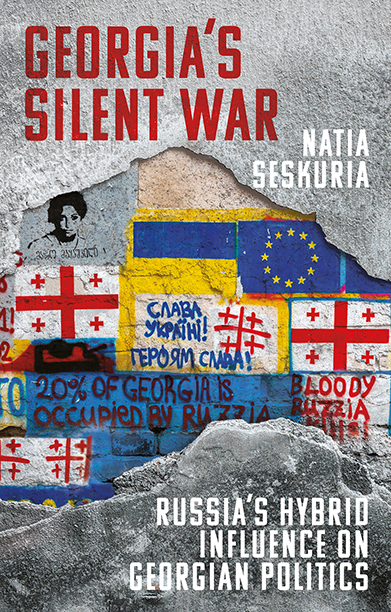
‘Through Tbilisi’s streets, institutions, landmarks and characters, Hess illuminates Georgia’s contested past, resilient society and turbulent political present. Weaving intricate personal experience with historical insight and nuance, this is a compelling, vivid and deeply informed portrait of a city—and country—in perpetual transformation.’ — Natia Seskuria, author of Georgia’s Silent War
Author(s)

Maximilian Hess founded the political risk consultancy Enmetena Advisory. He is the author of two books with Hurst, Tbilisi: Crossroads of the Caucasus; and Economic War: Ukraine and the Global Conflict Between Russia and the West, which was awarded the Fletcher US–Russia Relations Book Prize. His writing has appeared in Al Jazeera, The New Statesman, the Financial Times and others. He lives in London with his beloved Airedale terrier, Koba.
FAQs
Frequently Asked Questions
What is "Tbilisi" about?
Located on Europe’s periphery, at the edge of Asia, Tbilisi has always been a crossroads of culture, peoples and politics. From architecture to art, protest to religion, nationalism to language, this book offers a pen portrait of the modern Georgian capital—a city where old and new live side by side in restless harmony.
Tbilisi has played an outsize role in modern global politics. Beginning in 1989, Maximilian Hess shows how the city’s experiences over the last four decades shed light on the historical, political and cultural forces shaping the world today. Momentous events in Tbilisi helped drive the collapse of the Soviet Union, and this was where the neoliberal era of the early 2000s found its firmest foothold. The city’s post-Soviet years also foreshadowed the devastation that Russian interference and aggression have now brought to Ukraine, while the rise and subsequent dominance of a Georgian billionaire-turned-politician have clear echoes across the Atlantic.
Delving into Tbilisi’s remarkably great influence on contemporary music and the arts, Hess showcases the intriguing capital’s entrepôt nature, and its turbulent recent history. This is a place which blurs the lines between the real and the imagined; between past and present, East and West.
Who wrote "Tbilisi"?
"Tbilisi" was written by Maximilian Hess.
Maximilian Hess founded the political risk consultancy Enmetena Advisory. He is the author of two books with Hurst, Tbilisi: Crossroads of the Caucasus; and Economic War: Ukraine and the Global Conflict Between Russia and the West, which was awarded the Fletcher US–Russia Relations Book Prize. His writing has appeared in Al Jazeera, The New Statesman, the Financial Times and others. He lives in London with his beloved Airedale terrier, Koba.
What is the Table of Contents for "Tbilisi"?
Map
Recurring Characters
Foreword
Introduction
1. From Freedom Square, by Way of Kamikaze Loggias
2. Mtatsminda Pantheon: Heroes and Martyrs
3. From the Tbilisi War to the Splintering State
4. Metekhi Palace Hotel: Jockeying for Power
5. Andropov’s Ears: Culture and Counterculture
6. Bridges from the Brink of Ruin to the Brink of Revolution
7. The Liberty Institute: From Frustration to Defiance
8. Mother of Georgia: Building the New Nation
9. Shardeni Street and Saburtalo Street: The Dark Underside of the Rose Revolution
10. Vake Park: The New Nationalism
11. Where is the Modern Art Museum? The Spectacle of Power and Protest
12. Chronicles Of Georgia Monument: The Unfinished State
13. Gabriadze Puppet Theatre: Either Prison or Exile
14. Tbilisi Zoo: Ivanishvili’s Shadow
15. Café Gallery and Bassiani: Between Aspirations and Realities
16. Back to Rustaveli: The Fight for Freedom, Finances and the Future
Afterword
Notes
Index
Related books