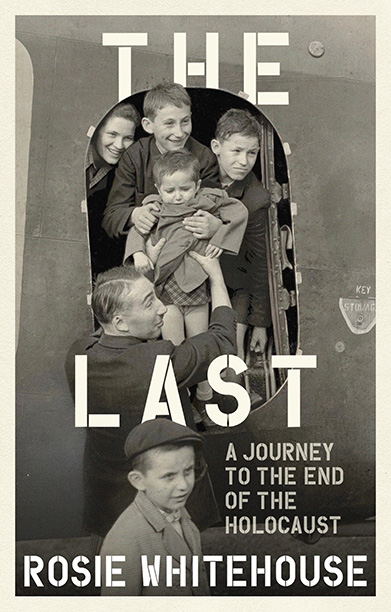
The Last
A Journey to the End of the Holocaust
What will be remembered when the last Holocaust survivor is gone?
Description
Soon, the last people who lived through the Holocaust will die. In intimate portraits, journalist Rosie Whitehouse gives us a final chance to hear their thoughts.
Known as ‘the Boys’ (though some were girls) or ‘the Windermere children’, these survivors settled in the Lake District after World War Two and have shaped how Britain remembers one of history’s greatest crimes. While some have testified publicly, Whitehouse offers rare access to their unscripted views, visiting survivors and their families in their own homes. They discuss growing old with trauma, what held them back and how they moved forward, and the significance of the legacy they leave behind. Sometimes hopeful, sometimes bitter, they ask how, and whether, the memory of the Holocaust will outlast them.
Amid growing antisemitism and creeping disinterest in the Holocaust, The Last is an urgent warning about the threats still facing Jewish communities―and the danger of history repeating itself.
Table of contents
Introduction
Chapter 1. Modernity
Chapter 2. Questions
Chapter 3. Home
Chapter 4. Golf
Chapter 5. Impulses
Chapter 6. Boiled Sweets
Chapter 7. Choices
Chapter 8. Lies
Chapter 9. Nightmares
Chapter 10. Contradictions
Chapter 11. Lunch
Chapter 12. Revenge
Chapter 13. Dog Tags
Chapter 14. Marriage
Chapter 15. Water
Chapter 16. Mother Tongue
Chapter 17. Art
Chapter 18. Humility
Chapter 19. Stoicism
Chapter 20. Cards
Chapter 21. Mothering
Chapter 22. Singing
Acknowledgements
Notes & Glossary
Author(s)

Rosie Whitehouse, a journalist, writes about Holocaust survivors for BBC Online, The Observer, Tablet magazine, The Jewish Chronicle and Haaretz. She is the author of The Last: A Journey to the End of the Holocaust; Two Sisters; and The People on the Beach (all published by Hurst); and the Bradt guide to Europe’s Holocaust memorials, museums and sites.
FAQs
Frequently Asked Questions
What is "The Last" about?
Soon, the last people who lived through the Holocaust will die. In intimate portraits, journalist Rosie Whitehouse gives us a final chance to hear their thoughts.
Known as ‘the Boys’ (though some were girls) or ‘the Windermere children’, these survivors settled in the Lake District after World War Two and have shaped how Britain remembers one of history’s greatest crimes. While some have testified publicly, Whitehouse offers rare access to their unscripted views, visiting survivors and their families in their own homes. They discuss growing old with trauma, what held them back and how they moved forward, and the significance of the legacy they leave behind. Sometimes hopeful, sometimes bitter, they ask how, and whether, the memory of the Holocaust will outlast them.
Amid growing antisemitism and creeping disinterest in the Holocaust, The Last is an urgent warning about the threats still facing Jewish communities―and the danger of history repeating itself.
Who wrote "The Last"?
"The Last" was written by Rosie Whitehouse.
Rosie Whitehouse, a journalist, writes about Holocaust survivors for BBC Online, The Observer, Tablet magazine, The Jewish Chronicle and Haaretz. She is the author of The Last: A Journey to the End of the Holocaust; Two Sisters; and The People on the Beach (all published by Hurst); and the Bradt guide to Europe’s Holocaust memorials, museums and sites.
What is the Table of Contents for "The Last"?
Introduction
Chapter 1. Modernity
Chapter 2. Questions
Chapter 3. Home
Chapter 4. Golf
Chapter 5. Impulses
Chapter 6. Boiled Sweets
Chapter 7. Choices
Chapter 8. Lies
Chapter 9. Nightmares
Chapter 10. Contradictions
Chapter 11. Lunch
Chapter 12. Revenge
Chapter 13. Dog Tags
Chapter 14. Marriage
Chapter 15. Water
Chapter 16. Mother Tongue
Chapter 17. Art
Chapter 18. Humility
Chapter 19. Stoicism
Chapter 20. Cards
Chapter 21. Mothering
Chapter 22. Singing
Acknowledgements
Notes & Glossary
Related books