The Bosphorus
A Journey
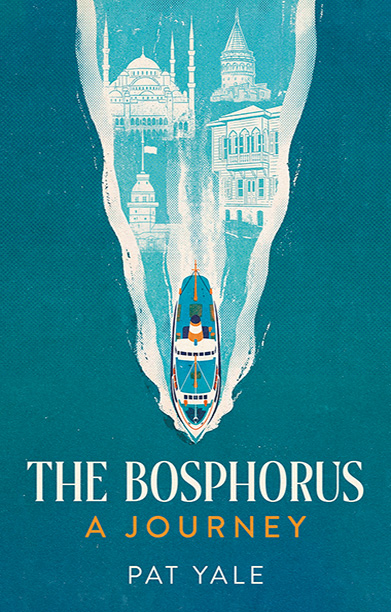
An evocative portrait of a waterway like no other—a strait that rose from myth and mystery to become the hub of the Ottoman Empire.
Description
At the heart of Istanbul, separating its European and Asian shores, lies the Bosphorus. One of the world’s greatest waterways, its spectacular landscape has been extolled by writers, from Lord Byron to Virginia Woolf.
It was home to the Sultan and his entourage throughout the nineteenth century—and, indeed, to anybody who was anybody. But when Turkey’s young Republic chose Ankara as its capital in 1923, silence fell over the Bosphorus’s palaces and mansions, their once powerful residents forced into exile. Amid such upheaval, its banks were resettled, with industry and modern housing elbowing out the greenery. Today’s Bosphorus is reinventing itself again, as waterside mansions are rebuilt and crumbling industrial heritage is repurposed for tourism.
Pat Yale tells the thrilling story of the Bosphorus—one of rulers and nobles, pilgrims and saints, but also of labourers, fishermen and boatmen. Above all, this is a story of water. What better way to explore it than from the decks of its many ferries?
Table of contents
The Turkish Language: A Simplification
Introduction
1. Eminönü to Karaköy
2. Karaköy to Üsküdar
3. Üsküdar to Kuzguncuk
4. Kuzguncuk to Galataport
5. Karaköy to Kabataş
6. Kabataş to Beşiktaş
7. Beşiktaş to Beylerbeyi
8. Beylerbeyi to Çengelköy
9. Çengelköy to Ortaköy
10. Ortaköy to Arnavutköy
11. Arnavutköy to Bebek
12. Bebek to Vaniköy
13. Çengelköy to Kandilli
14. Kandilli to Anadolu Hisari
15. Anadolu Hisari to Emirgan
16. Emirgan to Kanlica
17. Çubuklu to İstinye
18. Yeniköy to Beykoz
19. Beykoz to Paşabahçe
20. Beykoz to Tarabya
21. Tarabya to Büyükdere
22. Büyükdere to Sariyer
23. Sariyer-Rumeli Kavaği
24. Sariyer to Anadolu Kavagi
Acknowledgements
Glossary
List of the Ottoman Sultans
Bibliography
Reviews
‘A deep dive exploring every historical and cultural ripple of this profoundly significant waterway. Mesmerising in all its colourful details, Pat Yale’s hugely entertaining book brings the Bosphorus to life as only an insider could, through its places and its people.’ — Diana Darke, author of The Ottomans; Islamesque; and Stealing from the Saracens
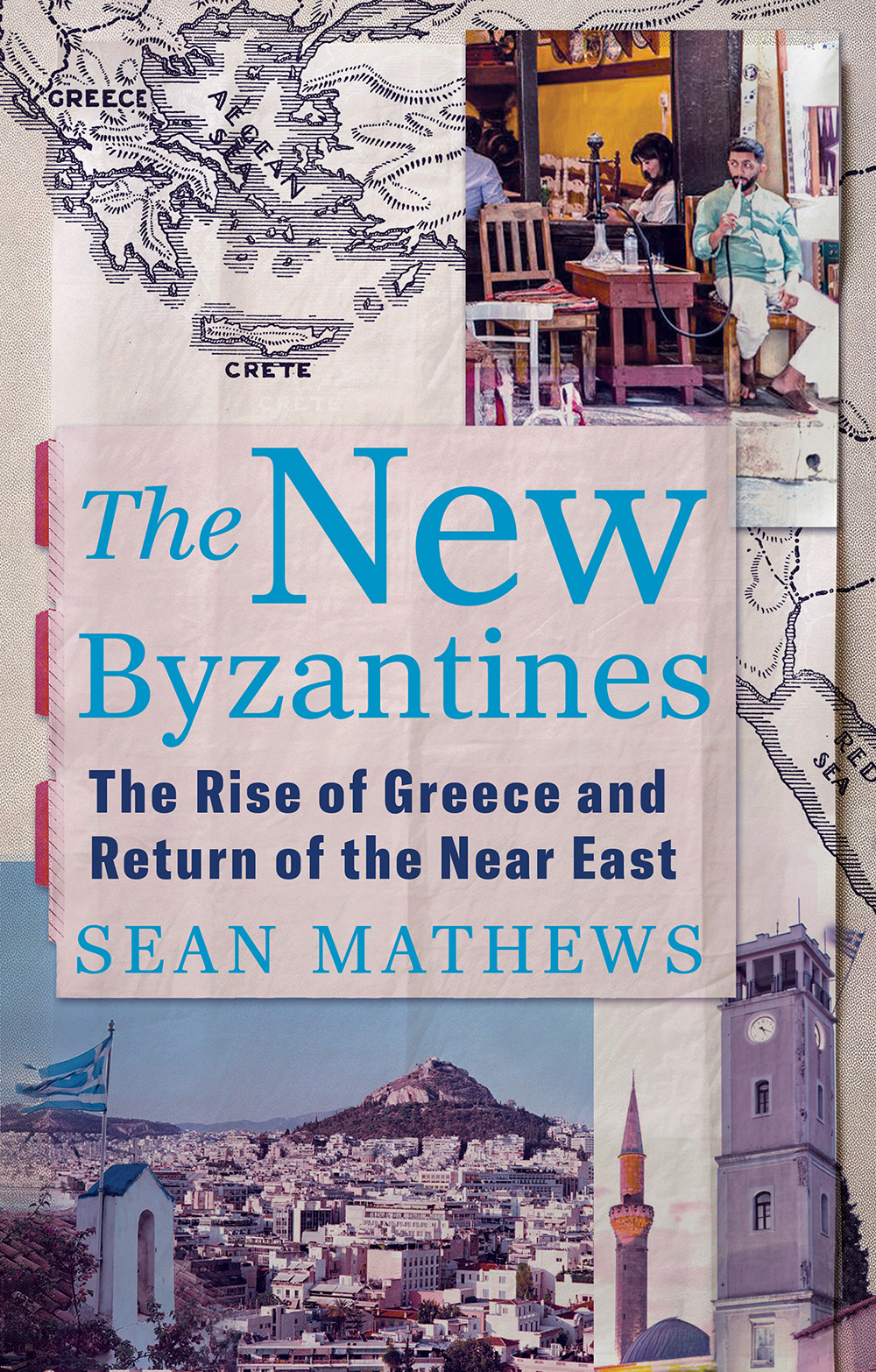
‘A marvellous read in the spirit of the best eastern travelogues. Whether visiting Ottoman mansions, mingling with Bosporus bohemians or stumbling into iftar dinners, Yale is the consummate narrator, revealing something new on each page. She weaves together history, architecture and current events to bring the Bosporus to life.’ — Sean Mathews, Middle East Eye correspondent and author of The New Byzantines: The Rise of Greece and Return of the Near East
‘An indispensable guide to one of the most beguiling waterways on earth. It is also so much more: a lively history of Istanbul, a perceptive record of the Bosphorus’s geopolitical significance and the memoir of a long-time Turkey resident whose love for the country pulses on every page. My first piece of advice for anyone sightseeing in Istanbul is “take as many ferries on the Bosphorus as possible.” Now I will say, “And take Pat Yale’s book with you.”’ — Suzy Hansen, author of From Life Itself: Turkey, Istanbul, and a Neighborhood in the Age of Erdoğan
‘With stories that flow as effortlessly as the Bosporus itself, Pat Yale unlocks for readers the culture, history and lives of those who call this majestic strait home. It is a journey to be savoured by natives and newcomers alike.’ — Thomas F. Madden, author of Istanbul: City of Majesty at the Crossroads of the World
Author(s)
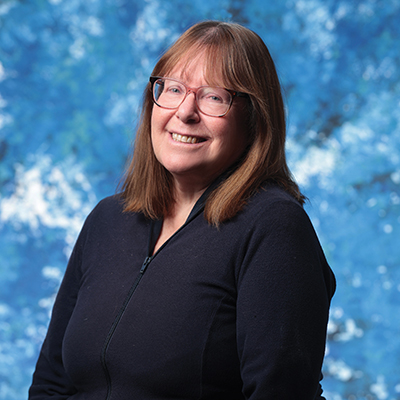
Educated at the University of Cambridge, Pat Yale worked in the travel industry before becoming a guidebook writer specialising in Turkey. After moving to Cappadocia to restore a cave house, she now lives in Istanbul. Her books include Following Miss Bell: Travels Around Turkey in the Footsteps of Gertrude Bell.
FAQs
Frequently Asked Questions
What is "The Bosphorus" about?
At the heart of Istanbul, separating its European and Asian shores, lies the Bosphorus. One of the world’s greatest waterways, its spectacular landscape has been extolled by writers, from Lord Byron to Virginia Woolf.
It was home to the Sultan and his entourage throughout the nineteenth century—and, indeed, to anybody who was anybody. But when Turkey’s young Republic chose Ankara as its capital in 1923, silence fell over the Bosphorus’s palaces and mansions, their once powerful residents forced into exile. Amid such upheaval, its banks were resettled, with industry and modern housing elbowing out the greenery. Today’s Bosphorus is reinventing itself again, as waterside mansions are rebuilt and crumbling industrial heritage is repurposed for tourism.
Pat Yale tells the thrilling story of the Bosphorus—one of rulers and nobles, pilgrims and saints, but also of labourers, fishermen and boatmen. Above all, this is a story of water. What better way to explore it than from the decks of its many ferries?
Who wrote "The Bosphorus"?
"The Bosphorus" was written by Pat Yale.
Educated at the University of Cambridge, Pat Yale worked in the travel industry before becoming a guidebook writer specialising in Turkey. After moving to Cappadocia to restore a cave house, she now lives in Istanbul. Her books include Following Miss Bell: Travels Around Turkey in the Footsteps of Gertrude Bell.
What is the Table of Contents for "The Bosphorus"?
The Turkish Language: A Simplification
Introduction
1. Eminönü to Karaköy
2. Karaköy to Üsküdar
3. Üsküdar to Kuzguncuk
4. Kuzguncuk to Galataport
5. Karaköy to Kabataş
6. Kabataş to Beşiktaş
7. Beşiktaş to Beylerbeyi
8. Beylerbeyi to Çengelköy
9. Çengelköy to Ortaköy
10. Ortaköy to Arnavutköy
11. Arnavutköy to Bebek
12. Bebek to Vaniköy
13. Çengelköy to Kandilli
14. Kandilli to Anadolu Hisari
15. Anadolu Hisari to Emirgan
16. Emirgan to Kanlica
17. Çubuklu to İstinye
18. Yeniköy to Beykoz
19. Beykoz to Paşabahçe
20. Beykoz to Tarabya
21. Tarabya to Büyükdere
22. Büyükdere to Sariyer
23. Sariyer-Rumeli Kavaği
24. Sariyer to Anadolu Kavagi
Acknowledgements
Glossary
List of the Ottoman Sultans
Bibliography
Related books