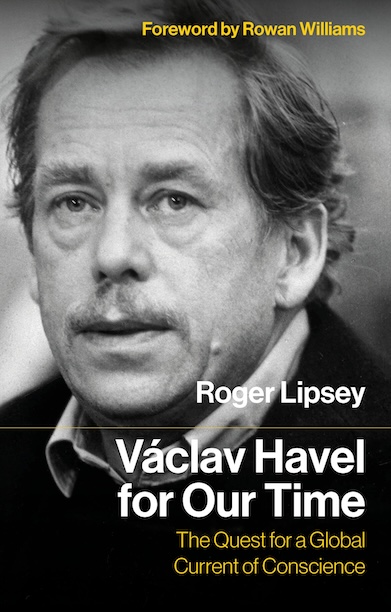
Václav Havel for Our Time
The Quest for a Global Current of Conscience
Traces the enduring relevance of Václav Havel’s visionary thought and writings.
Foreword by Rowan Williams
Description
Václav Havel (1936–2011), the long-imprisoned dissident, playwright and author who became the celebrated Czech president, has been commended for many accomplishments . But he remains unrecognised for the most enduring: his prophetic vision, beautifully articulated and vitally needed today. It is a vision of values at work and of sheer intelligence and goodwill, anchored in a restated humanism and awareness of transcendent authority.
Drawing on his writings and speeches, Roger Lipsey interprets Havel’s wisdom for new generations. Havel’s interests were varied: he addressed politics, leadership, the role of the individual, civil society, conscience and much more. He contributed self-sacrificingly to the Eastern European transition from communism to democracy, considering the issues facing his region and the world with a unique blend of humanity, good sense and fearlessness. But above all, as he identified in a 1997 talk in Kyiv, he believed that ‘the crucial task of our time [is] the quest for a new global sense of responsibility’. Much of his thought returned to this necessity.
Written both for familiar readers and those new to his work, this is a rich assessment of the life and ideas of Václav Havel, the conscience and mirror of the twentieth century.
Table of contents
Acknowledgments
1. Introduction
2. On the Politician
3. On the Politician: “Politics as the practice of morality is possible”
4. On the Politician: “Political time is different from everyday time”
5. On the Politician: “I always return to the theme of human responsibility”
6. On the Politician: “We must rely on common sense, moderation, responsibility”
7. Scholar, Revolutionary, President: T. G. Masaryk
8. T. G. Masaryk: “a truly good will”
9. The President and the Pope
10. Conscience
11. Conscience: responsibility toward a silent authority
12. The Decisive Birth of Conscience
13. Conscience: “in the study of the Lord God himself”
14. On War
15. Friends, Mentors, Memories: Jan Patočka
16. The most interesting thing about responsibility
17. Friends, Mentors, Memories: Jan Hus
18. Friends, Mentors, Memories: Jan Comenius
19. Hope: “Whether all is lost depends on whether I am lost”
20. Small Hopes and Great Hopes
21. The Future of Hope
22. Havel’s Tree
23. Living in Truth
24. Living in Truth: The Book, The Watershed Year 1986
25. Toward a New Global Sense of Responsibility
26. “The secret of man is the secret of his responsibility”
27. Prison
28. After prison
29. After prison: “overcome from time to time”
30. The Moral Minimum
31. The Adversary
32. Climate Change: Havel’s Perspective
33. Oslo, August 1990: The Anatomy of Hate
34. On Patriotism
35. Where Havel and Hammarskjöld Meet
36. Winter Journey [1]
37. Winter Journey [2]
38. Winter Journey [3]
39. Winter Journey [4]
40. Heart
41. Dear Dr. Husák
42. The Power of the Powerless
43. Friends, Mentors, Memories: The Dalai Lama
44. Friends, Mentors, Memories: Madeleine Albright
45. Havel’s Farewell
46. How do we remember?
Notes
Bibliography
Index
Author(s)
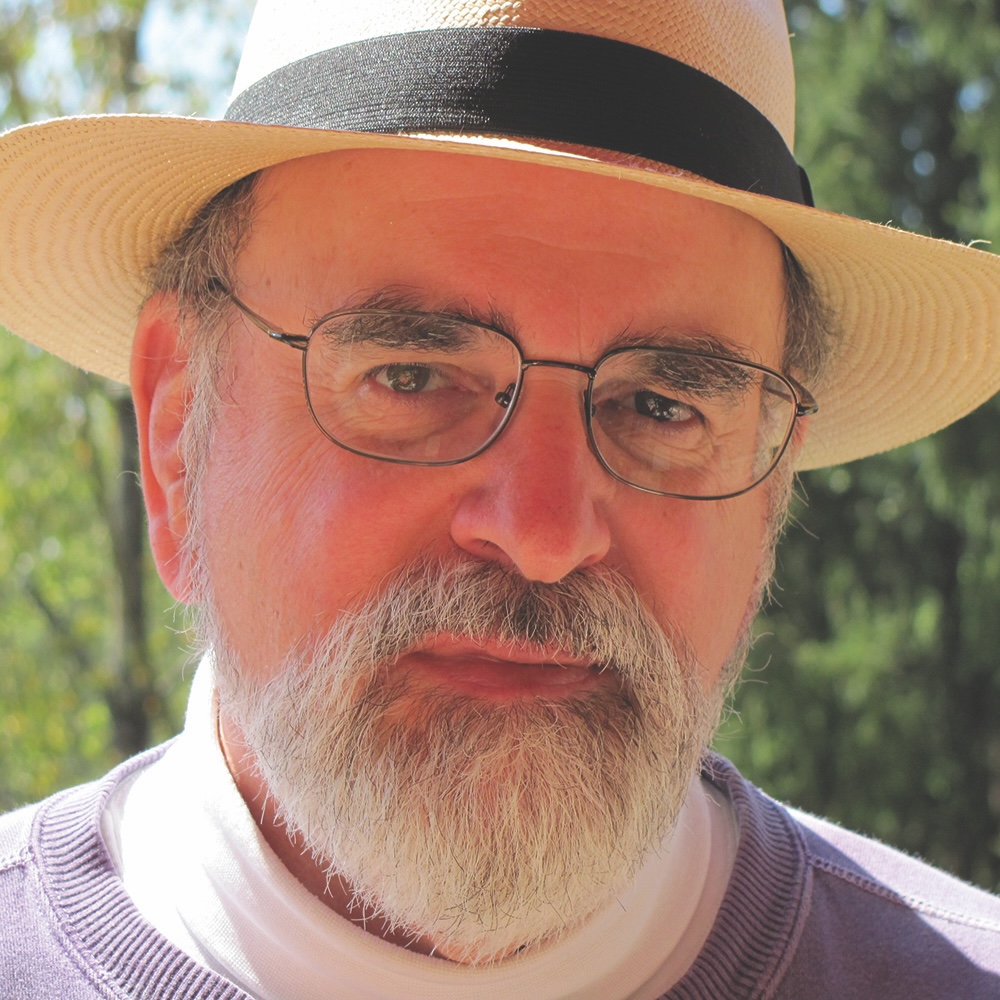
Roger Lipsey is a biographer, art historian, editor and translator. He is the author of An Art of Our Own: The Spiritual in Twentieth-Century Art (Shambhala Publications, 1988); Angelic Mistakes: The Art of Thomas Merton (Echo Point, 2018); and Hammarskjöld: A Life (University of Michigan Press, 2013), hailed as the definitive Dag Hammarskjöld biography.
FAQs
Frequently Asked Questions
What is "Václav Havel for Our Time" about?
Václav Havel (1936–2011), the long-imprisoned dissident, playwright and author who became the celebrated Czech president, has been commended for many accomplishments . But he remains unrecognised for the most enduring: his prophetic vision, beautifully articulated and vitally needed today. It is a vision of values at work and of sheer intelligence and goodwill, anchored in a restated humanism and awareness of transcendent authority.
Drawing on his writings and speeches, Roger Lipsey interprets Havel’s wisdom for new generations. Havel’s interests were varied: he addressed politics, leadership, the role of the individual, civil society, conscience and much more. He contributed self-sacrificingly to the Eastern European transition from communism to democracy, considering the issues facing his region and the world with a unique blend of humanity, good sense and fearlessness. But above all, as he identified in a 1997 talk in Kyiv, he believed that ‘the crucial task of our time [is] the quest for a new global sense of responsibility’. Much of his thought returned to this necessity.
Written both for familiar readers and those new to his work, this is a rich assessment of the life and ideas of Václav Havel, the conscience and mirror of the twentieth century.
Who wrote "Václav Havel for Our Time"?
"Václav Havel for Our Time" was written by Roger Lipsey.
Roger Lipsey is a biographer, art historian, editor and translator. He is the author of An Art of Our Own: The Spiritual in Twentieth-Century Art (Shambhala Publications, 1988); Angelic Mistakes: The Art of Thomas Merton (Echo Point, 2018); and Hammarskjöld: A Life (University of Michigan Press, 2013), hailed as the definitive Dag Hammarskjöld biography.
What is the Table of Contents for "Václav Havel for Our Time"?
Acknowledgments
1. Introduction
2. On the Politician
3. On the Politician: “Politics as the practice of morality is possible”
4. On the Politician: “Political time is different from everyday time”
5. On the Politician: “I always return to the theme of human responsibility”
6. On the Politician: “We must rely on common sense, moderation, responsibility”
7. Scholar, Revolutionary, President: T. G. Masaryk
8. T. G. Masaryk: “a truly good will”
9. The President and the Pope
10. Conscience
11. Conscience: responsibility toward a silent authority
12. The Decisive Birth of Conscience
13. Conscience: “in the study of the Lord God himself”
14. On War
15. Friends, Mentors, Memories: Jan Patočka
16. The most interesting thing about responsibility
17. Friends, Mentors, Memories: Jan Hus
18. Friends, Mentors, Memories: Jan Comenius
19. Hope: “Whether all is lost depends on whether I am lost”
20. Small Hopes and Great Hopes
21. The Future of Hope
22. Havel’s Tree
23. Living in Truth
24. Living in Truth: The Book, The Watershed Year 1986
25. Toward a New Global Sense of Responsibility
26. “The secret of man is the secret of his responsibility”
27. Prison
28. After prison
29. After prison: “overcome from time to time”
30. The Moral Minimum
31. The Adversary
32. Climate Change: Havel’s Perspective
33. Oslo, August 1990: The Anatomy of Hate
34. On Patriotism
35. Where Havel and Hammarskjöld Meet
36. Winter Journey [1]
37. Winter Journey [2]
38. Winter Journey [3]
39. Winter Journey [4]
40. Heart
41. Dear Dr. Husák
42. The Power of the Powerless
43. Friends, Mentors, Memories: The Dalai Lama
44. Friends, Mentors, Memories: Madeleine Albright
45. Havel’s Farewell
46. How do we remember?
Notes
Bibliography
Index